
By Ben Holland, Podiatrist - AHPRA registration POD0001403988 · 25 years of clinical practice · Last reviewed October 2026
Almost every patient who walks into my clinic with cracked heels has already tried something. Usually two or three “somethings.” Here is the honest clinical verdict on each of them - and why the pattern behind all of them is the same.
First, the pattern
Fixing cracked heels requires three things at once:
Breaking down the hard, dead outer skin so it can shed
Rehydrating the healthy skin underneath
Keeping that moisture in
Nearly every popular home remedy does one of the three and skips the other two. That is why they feel like they are working and then don’t.
Does Vaseline help cracked heels?
Not really. Vaseline and other petroleum jellies are occlusives - they form a barrier that slows moisture escaping. That is one job out of three. Vaseline does not draw any new moisture into the skin and it does nothing whatsoever to the hard, thickened callus, which is what is actually cracking. What you get is a slimy, sticky film, greasy sheets, and heels that are essentially unchanged underneath. It does no harm; it also does not fix anything.
Does coconut oil work?
Same story in a nicer jar. It is a pleasant emollient with a mild sealing effect, and no meaningful action against hard skin. If your heels are cracked, the hard skin is the problem, and coconut oil does not touch it.
Are foot soaks good for cracked heels?
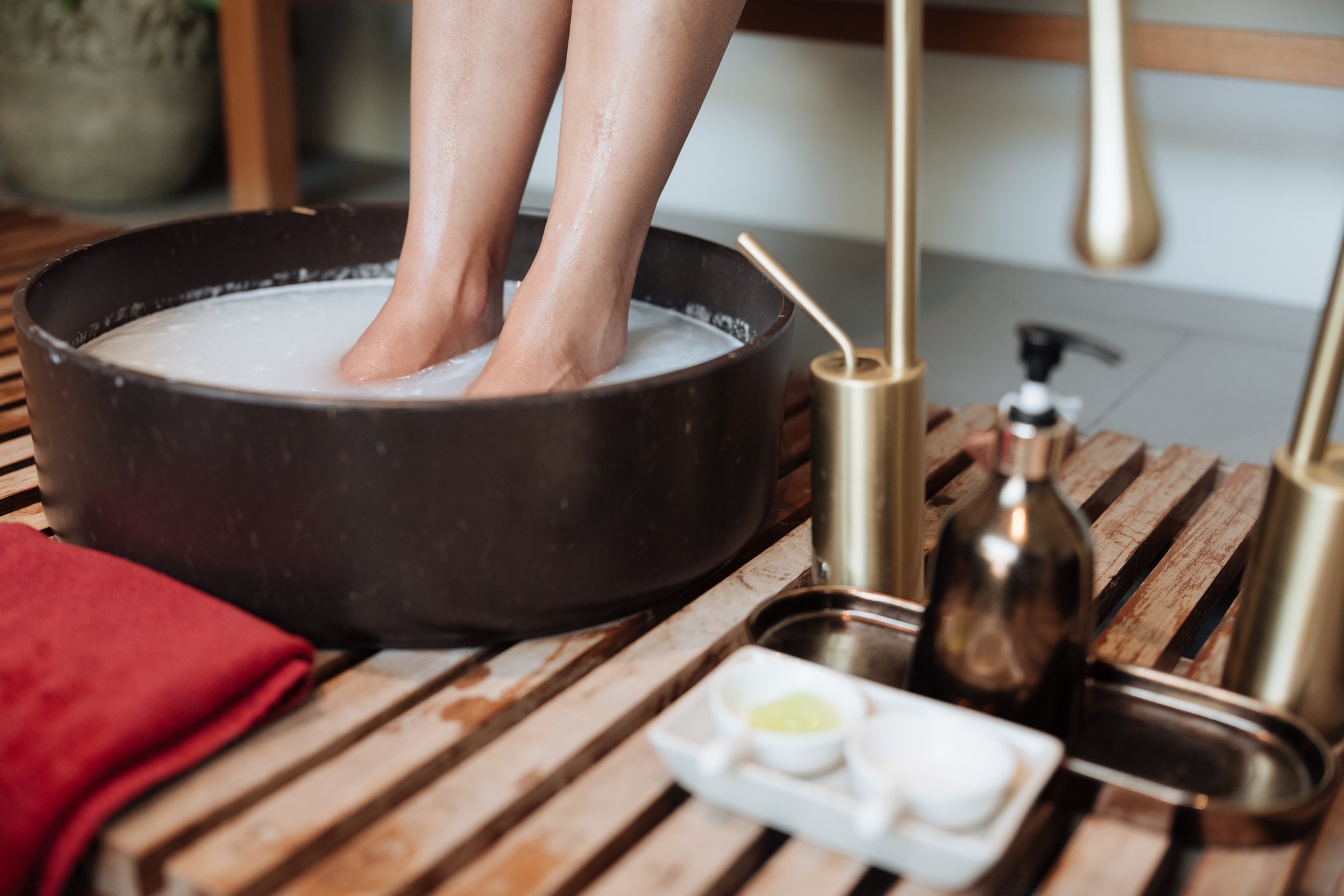
Here is the answer that surprises people: a foot soak on its own does nothing lasting. Soaking pushes water into the skin and softens it for an hour or so, then the water evaporates and you are back where you started. But - and this is the honest part - a soak is a genuinely useful first step: soft, soaked skin files more easily and absorbs balm better. Soak, then file lightly, then apply a urea heel balm, and the soak has earned its place. Soak alone, and you have had a pleasant sit-down.
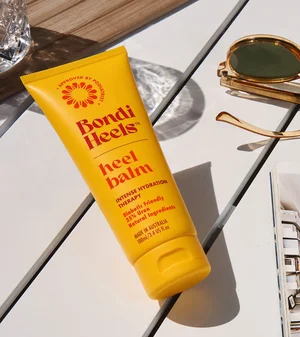
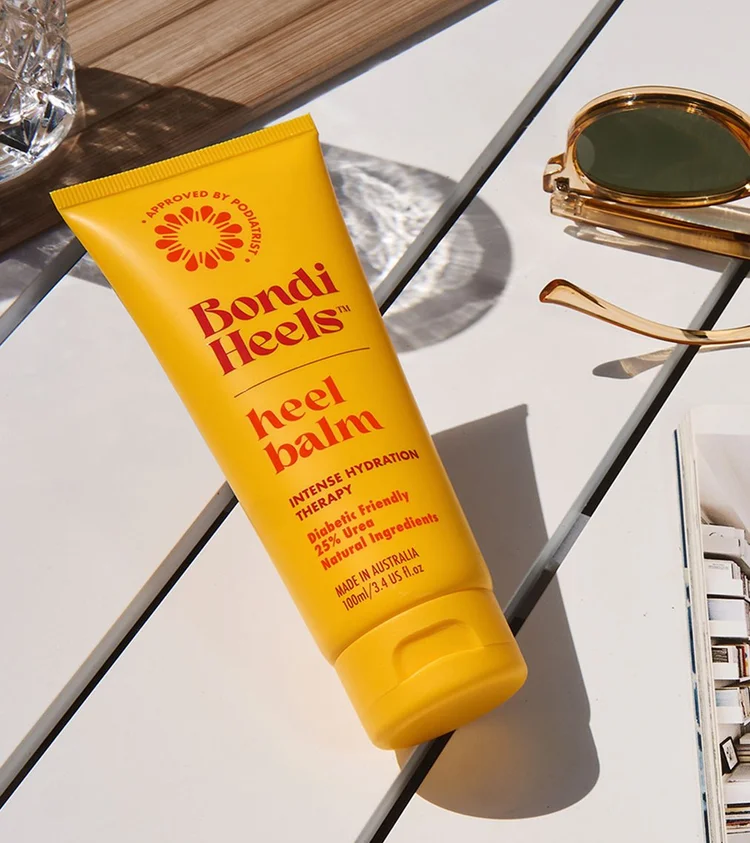
say hello to smooth healthy feet
non-greasyfast-absorbing25% ureavisible resultsmade in Australia
Apple cider vinegar, lemon juice and Epsom salts?
The vinegar and lemon ideas are gesturing at something real - acids can break down hard skin, and podiatry does sometimes use salicylic acid for exactly that. But household vinegar and lemon juice are nowhere near the concentration that would have any effect. Epsom salts make a soak feel nicer but change nothing about the outcome. None of these are dangerous; they are simply a use of your evening that your heels will not notice.
Foot peels - a caution
The peel products that shed dramatic sheets of skin over a week use stronger acids, and this time the concentration is real. The problem is they cannot tell good skin from bad - they strip both. On feet, that is an unnecessary gamble, and I have seen it go wrong. There are safer ways to remove hard skin.
Pumice stones and foot files - yes, used correctly
Filing is half of what actually works. The rules:
File lightly, about 30 seconds per heel, on softened skin
Think of removing one layer of an onion, never sanding to the finish in one go
Stop well before the skin looks pink or feels tender
Never file over any crack, cut or broken skin
Small amounts, often, beats one big effort every time. The electronic files all over social media look spectacular in videos, but patient feedback in my clinic is poor - they are not abrasive enough to do the job, and a simple long-handled file outperforms them.
So what actually works?
The combination that does all three jobs: gentle regular filing to reduce the hard skin, and a 25% urea heel balm applied twice daily - urea is the one common ingredient that both draws moisture in and breaks hard skin down. The full step-by-step routine, including how long it takes and when to see a podiatrist instead, is in our complete guide.
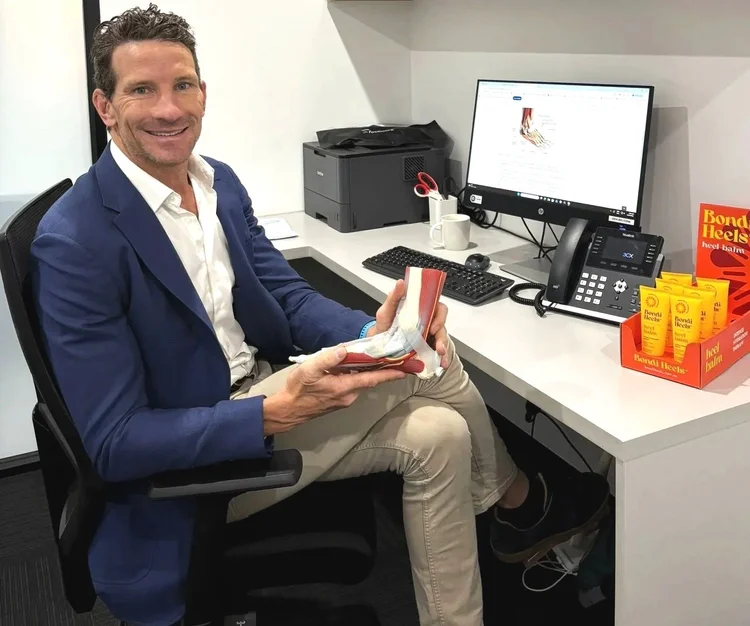
Ben Holland is a podiatrist with 25 years of clinical experience, including 13 seasons of professional AFL football and podiatry care for elite Australian sporting teams. He is the founder of Bondi Heels. AHPRA registration POD0001403988.
