
Cracked Heels: How to Fix Them and Keep Them Fixed
By Ben Holland, Podiatrist - AHPRA registration POD0001403988 · 25 years of clinical practice · 17th September 2026
The short answer: Cracked heels happen when the skin on your heels becomes dry and thickened, loses its elasticity, and splits under the pressure of standing and walking.
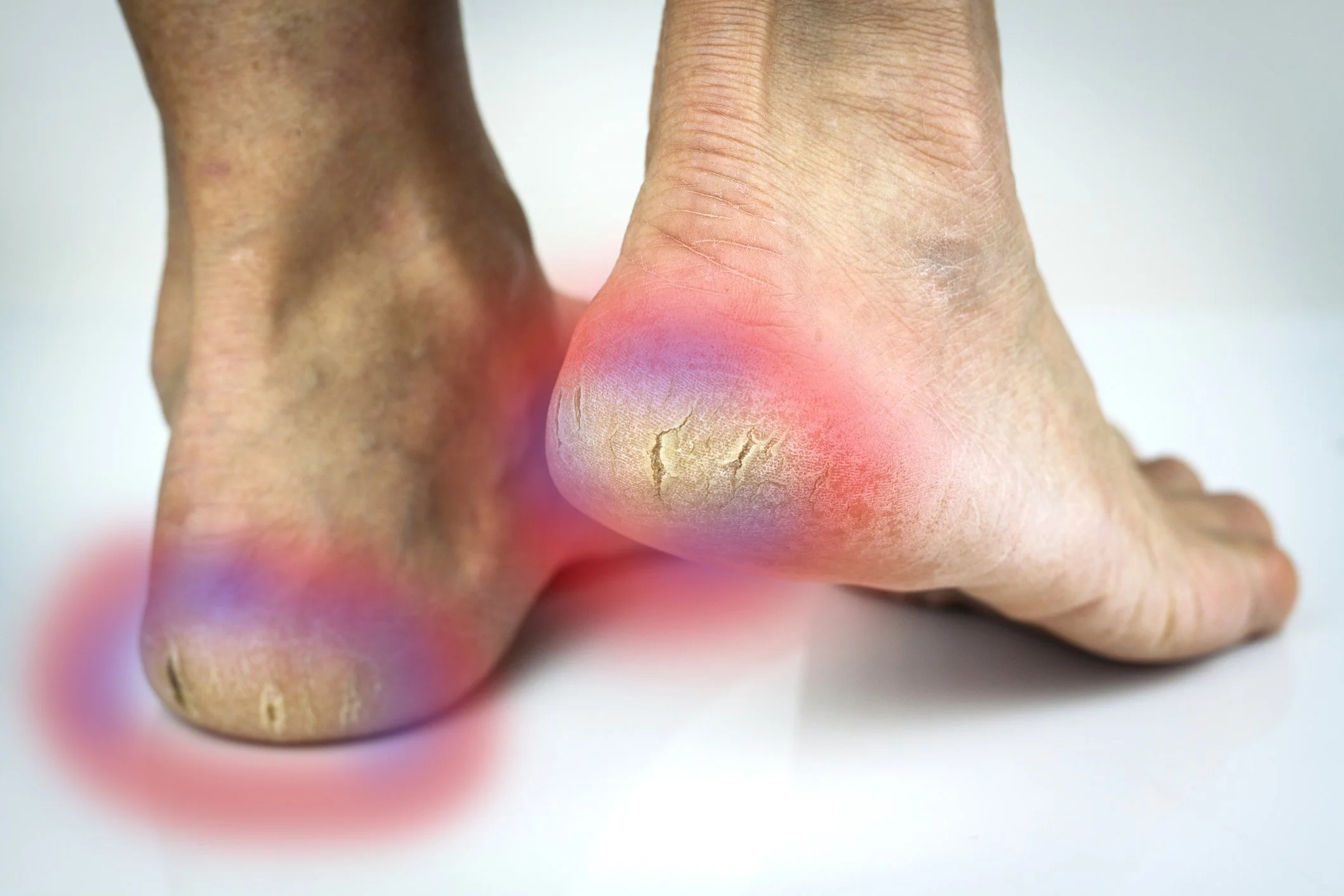
To fix them
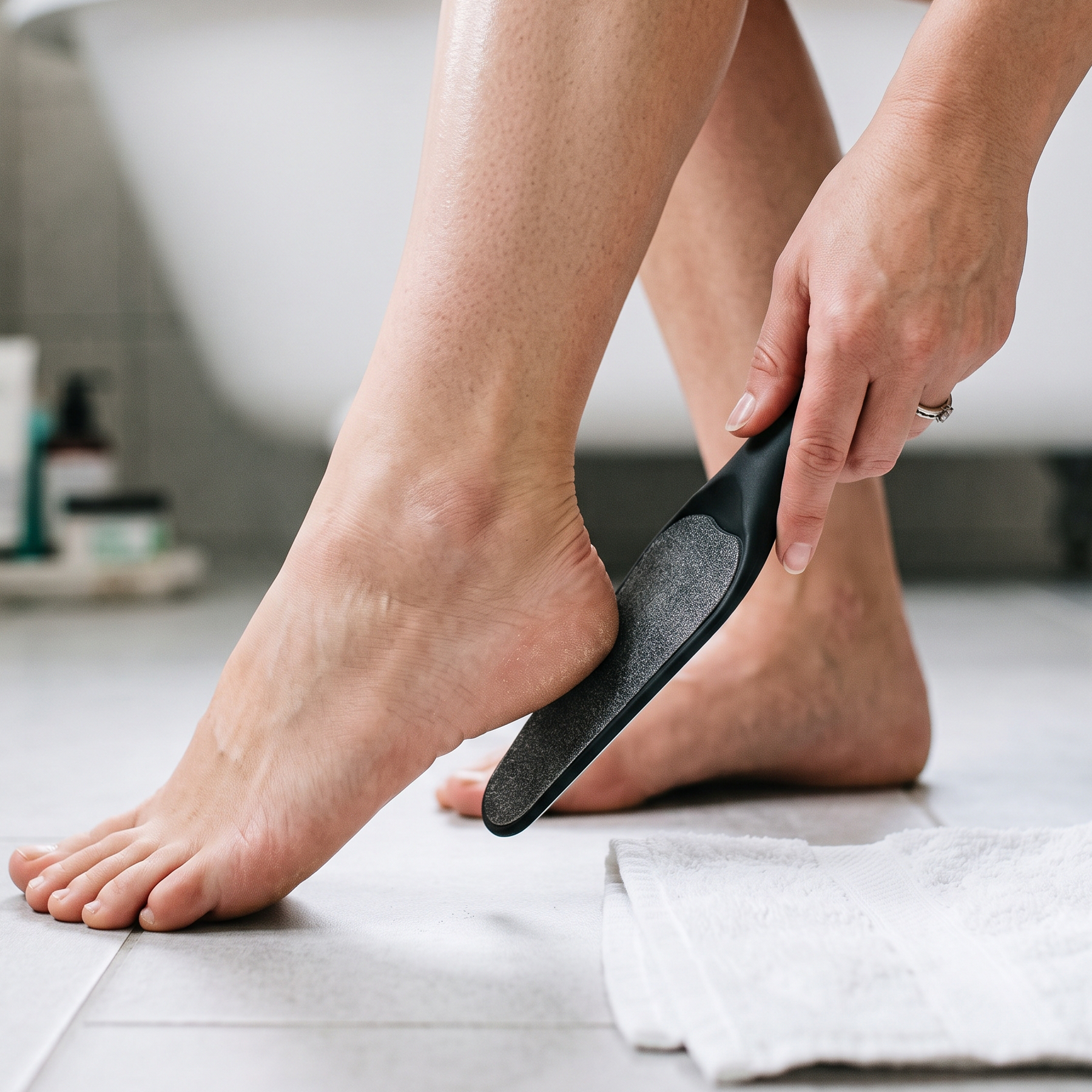
Mild to moderate
Gently file the hard skin with a foot file or pumice. Avoid aggressively removing the hard, dry skin. It's best to do it a little bit often. After using the foot file, apply a 25% urea heel balm morning and night (twice daily). Mild to moderate cracked heels usually improve within one to two weeks
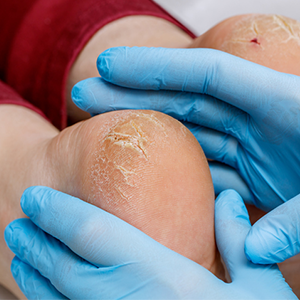
Severe
If your heels are painful, bleeding or infected, or you have diabetes, for safest and best results see a podiatrist first to assist with debriding the dry cracked heels.
How to keep them fixed?
Once your heels are soft and smooth - continue to use Bondi Heels 25% urea heel balm daily to keep the skin hydrated. Wear appropriate and supportive footwear when possible, that doesn't encourage dry skin to develop. Avoid thongs, bare feet or open-back sandals.
What cracked heels actually are
Healthy skin on the heel is elastic. It stretches and recovers every time you take a step. When that skin dries out, it thickens into hard, yellowish callus - and thick, dry skin does not stretch. Put your body weight through it and, like an over-filled water balloon, the skin around the rim of the heel expands until it simply cannot hold any more, and it splits. Those splits are the cracks, and the deep ones - which podiatrists call fissures - are what hurt.
A crack is a break in the skin barrier. That matters, because the skin is your body’s protective layer. Once it splits open, every step pulls at the edges of the crack, and the opening becomes a potential entry point for infection.
Weight-bearing pressure causes thickening
The heel takes your full body weight with every step. That repeated pressure causes the skin to thicken (callus formation) as a protective response, but thickened skin is less flexible.No oil glands means that thickened skin also dries out
Heels have very few sebaceous (oil-producing) glands compared to the rest of the body, so they can't self-moisturise the way skin elsewhere does. Combined with the callus from point 1, the skin dries out easily.Dry + thick = loss of elasticity, and elasticity is what heel skin depends on
Healthy heel skin is elastic, it stretches and recovers with every step. But once it's thickened and dried out, it can't stretch anymore.Loss of elasticity is what actually causes the crack
When you put weight through the heel, the heel pad still spreads out sideways under load, same as always. But rigid, inelastic skin can't expand with it. Like an over-filled water balloon, the skin at the rim of the heel gets pushed past what it can hold, and it splits. Those splits are the cracks, deep ones are fissures, which is what hurts.A crack is a broken skin barrier
Once it's split open, every step pulls at the edges, which keeps it from closing and leaves an entry point for infection — a real concern for people with diabetes or poor circulation.
So the chain is: pressure → callus → dryness (no oil glands) → loss of elasticity → splitting under load → open wound. Each step causes the next.
That's also why 25% urea works differently to a standard moisturiser, it treats step 3 (rebuilding elasticity by breaking down the callus), not just step 2 (surface hydration)
What causes them
In my clinic, cracked heels are usually environmental and mechanical rather than a sign of illness. The most common causes I see, after 25 years of looking at heels, are:
Time on your feet. Tradies, nurses, hospitality workers, teachers - anyone in a standing occupation loads their heels all day, every day.
Going barefoot. At the beach, around the pool, at home over summer. Open air dries the skin, and an unsupported heel pad spreads under load, stretching the skin at the rim.
Open-backed footwear. Thongs and backless sandals let the heel pad expand sideways with every step.
A dry environment. Hot weather, chlorinated pools and salt water all pull moisture out of the skin. Regular swimmers are surprisingly prone to cracked heels.
Body weight. More load above means more expansion below. It is simple mechanics, not a judgement.
Pregnancy. Weight gain, swollen feet and more time barefoot - a perfect storm for cracked heels.
Diabetes. Diabetes affects circulation and the nerves in the feet, so the skin dries faster and damage may not be felt. There is a dedicated section on diabetes further down this page.
Why heels crack more in summer
Every summer the same pattern comes through my clinic. Warm weather means bare feet, thongs, beaches and pools - all four of the big drivers at once. By late summer, the cracks people have been ignoring since Christmas have deepened enough to hurt.
Here is the useful flip side: winter is the best time to fix cracked heels. Once you are back in socks and enclosed shoes, every application of heel balm is sealed against the skin for hours. Treatment simply works faster in winter. If your heels are a recurring summer problem, the smartest thing you can do is repair them over winter and walk into the warm months with the skin already restored.
How to fix cracked heels at home: the routine
This is the routine I give patients in the clinic. It has four steps, and consistency matters far more than intensity.
One thing first: if you have diabetes, this routine needs an adjustment. Reduced circulation and sensation change what's safe to do at home — read the diabetes section below before you start filing.
Exfoliate. Lightly file the hard skin with a foot file or pumice stone - about 30 seconds per heel, ideally in or after a shower when the skin is soft. Think of it as taking off one layer of an onion, not peeling the skin off a potato. Never file over a cut, crack, blister, swelling, redness or any broken skin.
Dry. Towel-dry the feet thoroughly, including between the toes.
Apply. Massage a dollop of 25% urea heel balm into each heel. You can put socks or shoes straight on.
Repeat. Apply the balm twice a day, morning and night, until the skin is restored. Then drop back to once a day to keep the skin smooth and hydrated
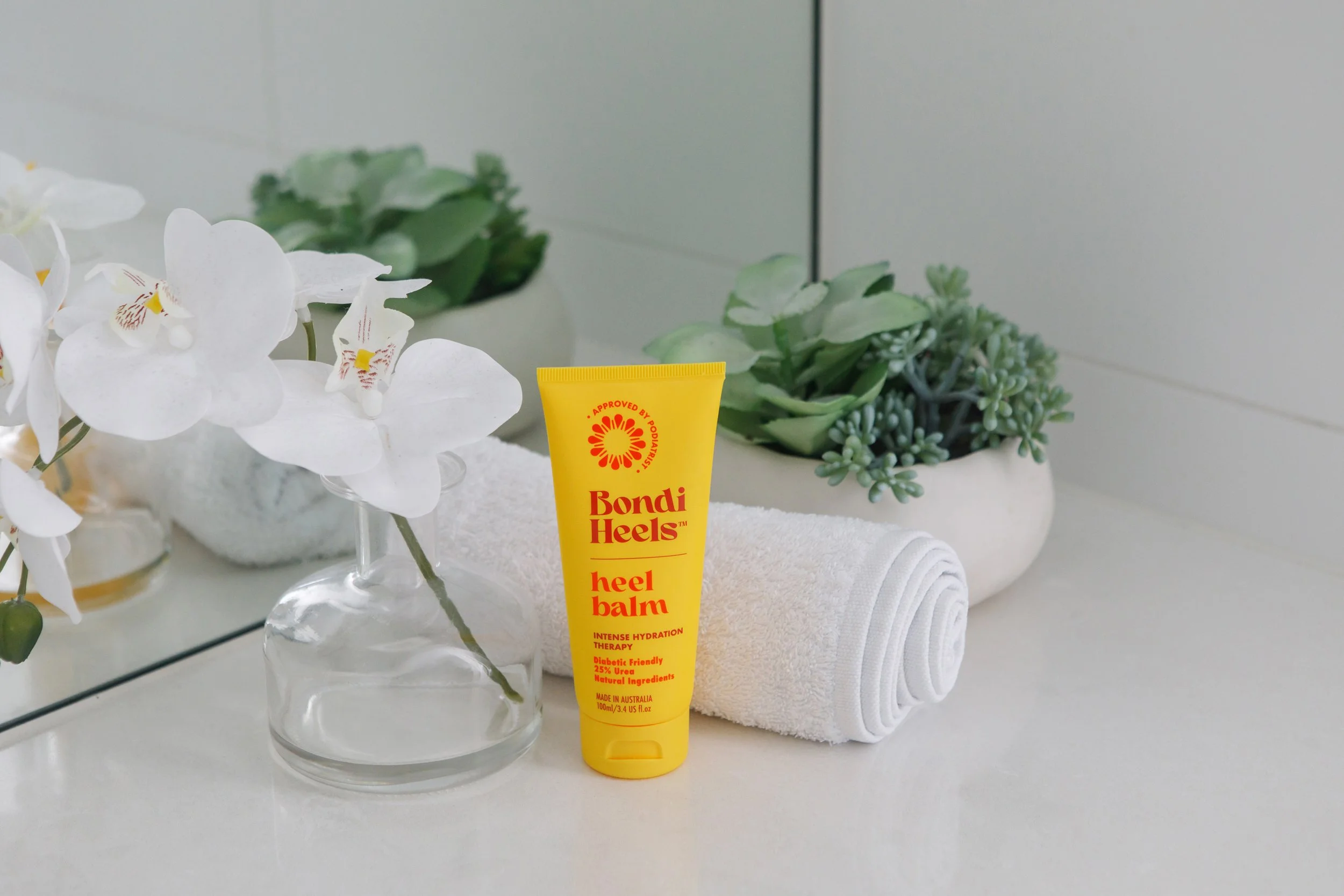
What to use to file your feet
A note on the electric foot files sold all over social media: the videos are satisfying, but in clinic, the feedback is consistent - they are not abrasive enough to make a real difference. A simple, affordable long-handled foot file used lightly and often will do more. And if filing is not getting through the callus at all, that is a job for a podiatrist with proper instruments, do not just apply more force at home.
How often do you file your feet?
For dry, cracked, problematic heels, file lightly every day for the first two weeks. The aim is to steadily reduce the thickened areas and let the skin recover its smooth, elastic quality - never attempt to remove all the hard skin in one session. Small amounts, more often, always beats one aggressive effort. If the skin ever looks pink or feels tender where you have filed, you have gone too far. Once the hard skin is gone, filing roughly every four days is enough to stop it building up again
How long does it take?
For mild to moderate cracked heels, expect to see and feel a real difference within one to two weeks: the skin becomes more flexible, the yellow, crusty look gives way to normal pink skin, and walking barefoot stops being uncomfortable. Severely cracked heels with deep fissures take up to 4 weeks because the crack has to heal from the base up while you reduce the hard skin around it.
Here is the honest benchmark I give patients: if you have followed the routine consistently for four weeks and your heels have not improved, it is probably not ordinary cracked heels. Tinea (a fungal infection), psoriasis and eczema can all look very similar to dry, cracked skin. A urea heel balm will not harm any of those conditions - but it will not fix them either, and each needs its own treatment. Four weeks with no change means it is time to have a podiatrist look at your feet.
Can cracked heels be fixed permanently?
A specific crack, yes - it can heal completely and permanently. Whether cracks come back depends on whether the things that caused them are still in your life: your job, your footwear, your weight, the season, your time on your feet. For most people the honest answer is that cracked heels are managed, not cured. The good news is that management is quick: once your heels are restored, a once-daily application of balm and a light file every few days is all it takes. Most people fall off the wagon at some point - when you do, and the hard skin starts creeping back, just restart the routine before it cracks.
What doesn’t work
Most people have tried two or three things before the routine above, and most of those things share the same flaw: they address one part of the problem while ignoring the rest. Vaseline seals moisture in but does not rehydrate or break down hard dry skin. Ordinary body and face moisturisers cannot penetrate the much tougher skin on the sole of the foot. Foot soaks feel lovely and soften the skin for an hour, then the water evaporates. Foot peels strip skin indiscriminately - good skin along with bad. We have written a full article on the popular home remedies and what each one actually does:
When to see a podiatrist
Home care is the right approach for most cracked heels - they are very treatable. But see a podiatrist promptly if:
The cracks are painful with every step, or deep enough that you can see healthy pink skin (or blood) at the base.
The cracks are bleeding.
There are signs of infection: redness around the crack, swelling, heat, throbbing discomfort, or any weeping or discharge. An infected crack in the skin needs professional treatment before you do anything else - do not apply balm over an infected fissure and do not try to manage it yourself at home. The infection has to be treated and the callus around the crack professionally reduced, or the skin can heal over the top and trap the infection inside.
You have diabetes, neuropathy or circulation problems For you, dry cracked heels is an issue that is best overseen by a Podiatrist for individualised treatment. - see the next section.
You have followed the routine for four weeks with no improvement.
One treatment session with a Podiatrist often makes an enormous difference. A podiatrist can reduce the built-up callus and smooth back the edges of the fissures with a scalpel - painlessly - which relieves the pressure immediately, and then set you up with the home routine to finish the job and keep it fixed. Many of my patients need only one or two visits.
Cracked heels and diabetes
Diabetes changes the rules, because it can affect both the nerves (feeling) and the blood vessels (circulation) in your feet. You may not feel an injury when it happens, and wounds can take longer to heal - so a cracked heel that would be a nuisance for someone else can become an entry point for a serious infection.
If you have diabetes, the aim of heel care is a slower, gentler reduction of excess hard skin - never to remove every bit of it, but to keep the skin smooth, healthy and intact. What is safe for you to do at home depends on your risk category:
Lower-risk - no loss of sensation, good circulation, no history of foot ulcers, and you can see and reach your feet to inspect them. You can generally follow a gentle version of the home routine: daily moisturising with the balm, and light, careful filing of intact skin only.
Higher-risk - any loss of protective sensation or neuropathy, poor circulation or peripheral arterial disease, a previous foot ulcer or amputation, significant foot deformity, a current wound, kidney disease, poor vision that prevents you inspecting your feet, or a history of injuring yourself during foot care. If any of these apply, hard skin should be managed professionally by a podiatrist. Your home care is application of a daily heel balm only - no filing. This is because when you have a reduced skin sensation you are unable to monitor if the filing is causing damage to the skin of your feet.
If you are not sure which category describes you, book an assessment with your podiatrist, diabetic nurse educator or GP before starting any routine. And regardless of risk category: if the skin has cracked or broken, have it looked at rather than treating it yourself. Bondi Heels is diabetic friendly and suitable for daily use on intact skin - it is the filing, not the balm, that needs caution.
Preventing cracked heels from coming back
Prevention is the same routine at a lower dose, plus attention to the causes:
Keep applying the balm once a day - treat it exactly like the moisturiser you use on your face. The skin on your heels works harder than the skin anywhere else on your body; it has earned the same daily care.
A light file approximately every four days stops hard skin rebuilding. Inspect the skin on your heels before and after with a mirror to ensure you have not caused any damage.
If you are on your feet all day, look at your footwear - a cushioned, enclosed heel beats a backless shoe. Save the thongs for the beach rather than all day, every day.
Going into summer, start the routine before the cracks appear, not after.
Frequently asked questions
-
No - this is the most common myth I hear. Drinking more water will not fix cracked heels, because the problem is the mechanical load on dry, thickened skin, not your overall hydration. The moisture has to go into the skin at the heel directly, which is what a urea balm does.
-
Urea is a compound your skin already makes - it is part of our skin’s own natural moisturising factor. In a heel balm it does two jobs at once: it draws moisture into the skin and holds it there, and at higher concentrations it gently breaks down the bonds in hard, dead skin so it can shed. At 25%, you get both actions in real strength. Below about 10% you are getting hydration only; well above 25% the keratolytic action becomes aggressive enough that it is better used under a podiatrist’s guidance. There is a full explanation - and an honest comparison of the heel balms sold in Australia
-
Yes. That is exactly how it is designed to be used.
-
Yes - heel balms with 10–25% urea are considered safe to use during pregnancy and while breastfeeding. Pregnancy is actually one of the most common times cracked heels appear.
-
Yes - this is the moment to act. Almost everyone who ends up in my chair with painful fissures had weeks or months of painless hard skin first. Cracks announce themselves well in advance.
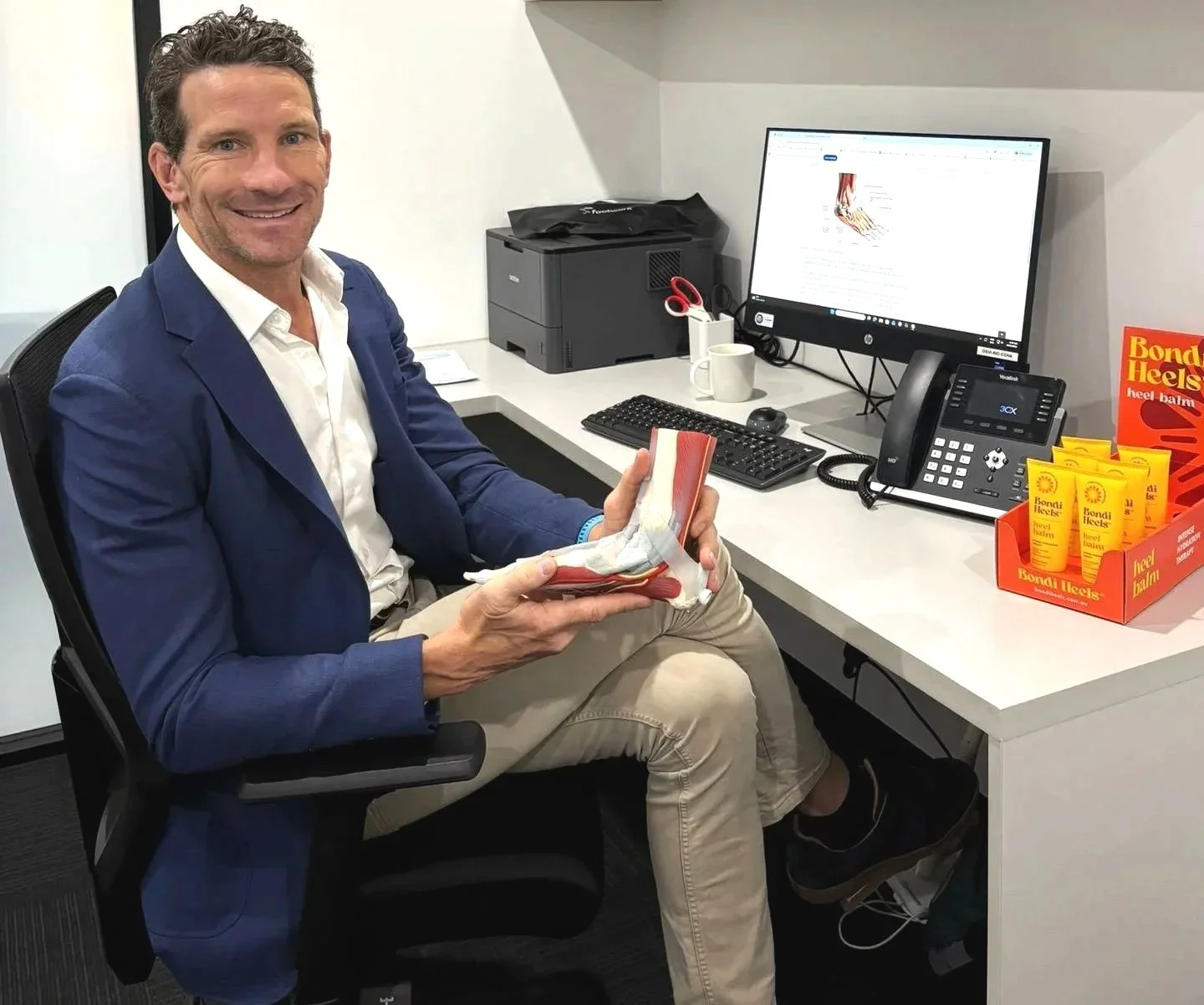
About the author
Ben Holland is a podiatrist with 25 years of clinical experience, including 13 seasons of professional AFL football and podiatry care for elite Australian sporting teams. He is the founder of Bondi Heels.
AHPRA registration POD0001403988.
